The True Light
“That was the true Light, which lighteth every man that cometh into the world.”
— John 1:9
This passage reminds us that light is not reserved for the few, nor earned through status or position, but given freely to all. The True Light speaks to divine truth made present in the world, illuminating conscience, character, and understanding. It calls each person inward first—to recognize truth within—before living it outwardly in thought, word, and deed.
In the final days of December each year, the world seems to shift. This shift pushes many of us into an emotional, behavioral, and reflective pattern that aligns with themes expressed across cultures and across time. The Winter Solstice holds this place historically and scientifically, marking the moment when the sun reaches its southernmost point in the sky. In the Northern Hemisphere, this results in the shortest day and the longest night of the year.
Historically, this period has been recognized as a liminal threshold—a time of transition between darkness and renewal. Across ancient cultures, the Winter Solstice was associated with cycles of death and rebirth, as both humans and animals entered periods of darkness only to reemerge transformed. After the solstice, the gradual return of light becomes visible, reminding us that even in the deepest darkness, illumination has already begun.
This seasonal pause has long encouraged inward reflection. It is a time when people are urged to remember, to prepare, and to realign—whether through ritual, tradition, or personal resolve. The solstice invites us to consider what must be released, what must be renewed, and how we are preparing ourselves for the light that follows.
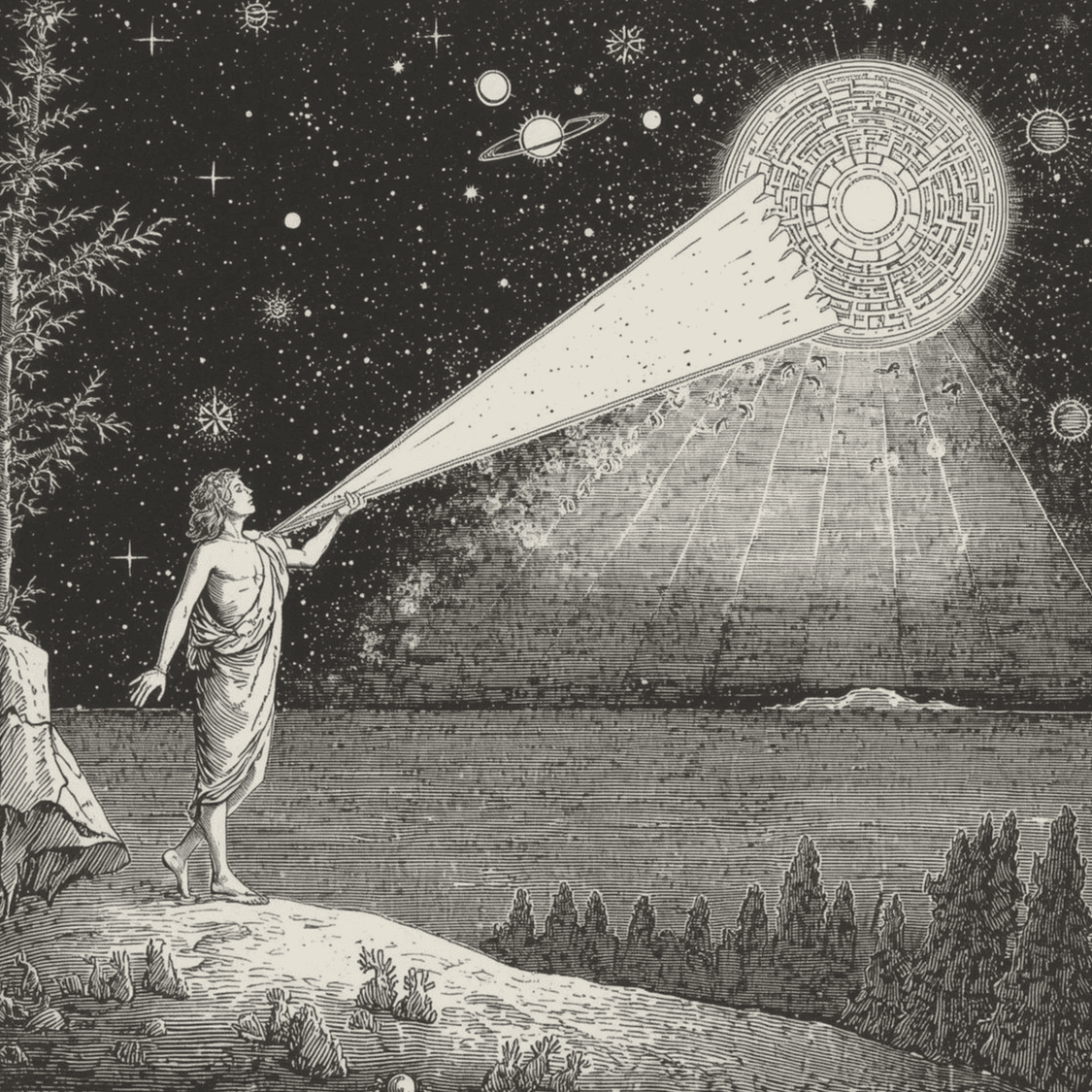
Ritual serves as a structured action through which emotional regulation and meaningful experience can occur. When ritual is performed without intention, it becomes nothing more than habit or routine. However, when approached with a solemn mind—physically, mentally, and spiritually—it becomes a powerful mechanism for transformation. Without proper presence, one risks missing the depth and value that ritual is meant to impart.
This principle extends beyond formal ceremony and into daily life. Repetition without meaning creates habits, but repetition with meaning creates ritual. Within Masonic practice, this distinction is reflected in the emphasis placed on learning ritual work thoroughly—so that it may be performed without reliance on written words. When ritual is internalized rather than read, it evokes a deeper emotional and spiritual response for both the participant and the observer.
For the candidate, there is no text to follow—only the experience itself. As ritual is delivered, both speaker and candidate are engaged on multiple levels, moving together from outer darkness toward light and truth. Psychologically, this process mirrors the seasonal rhythms we experience each year. As the solstice returns annually, it stirs deep reflections on mortality, renewal, and preparation for what lies ahead. In this way, ritual becomes a shared emotional language that aligns personal transformation with collective experience.
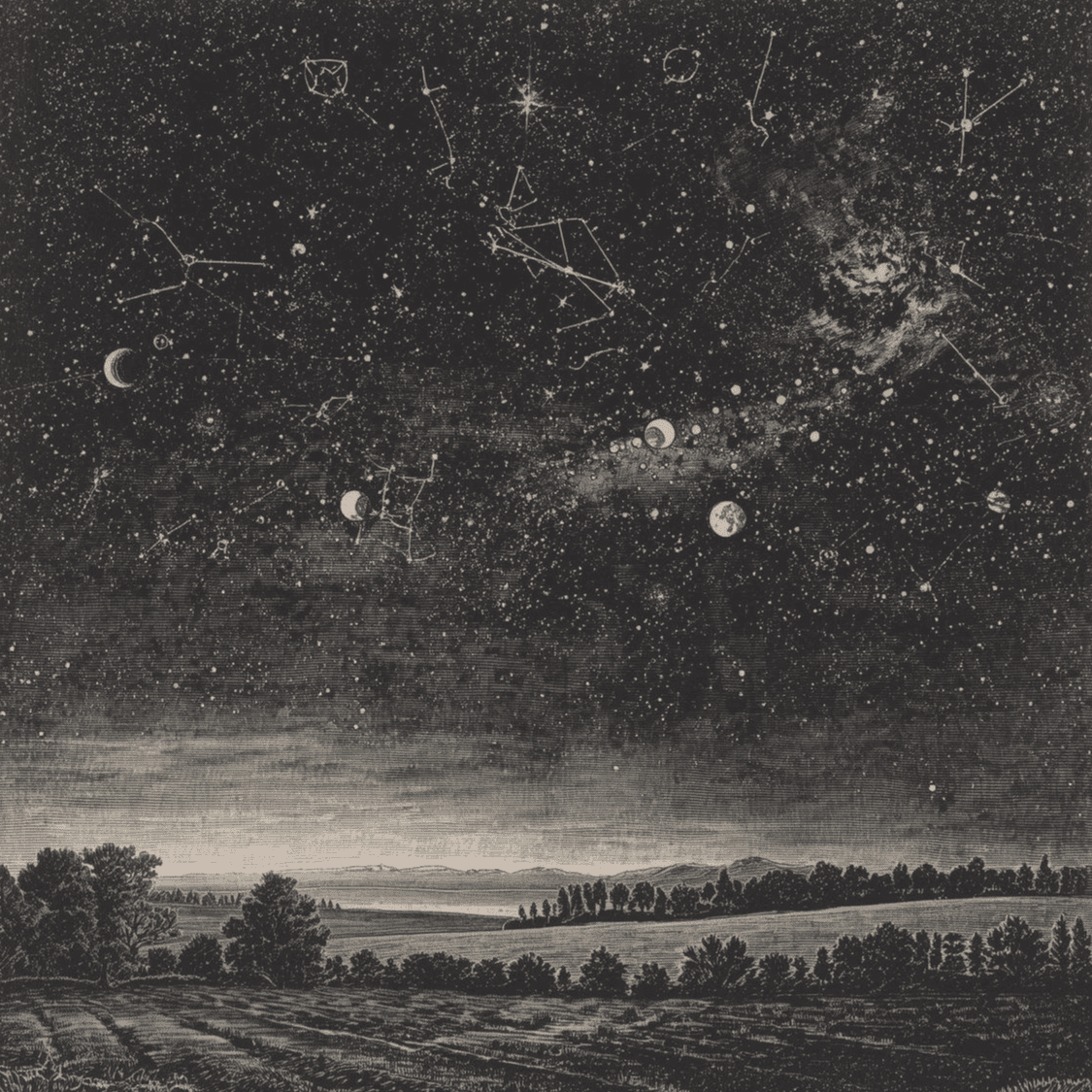
Light, Logos, and Inner Illumination
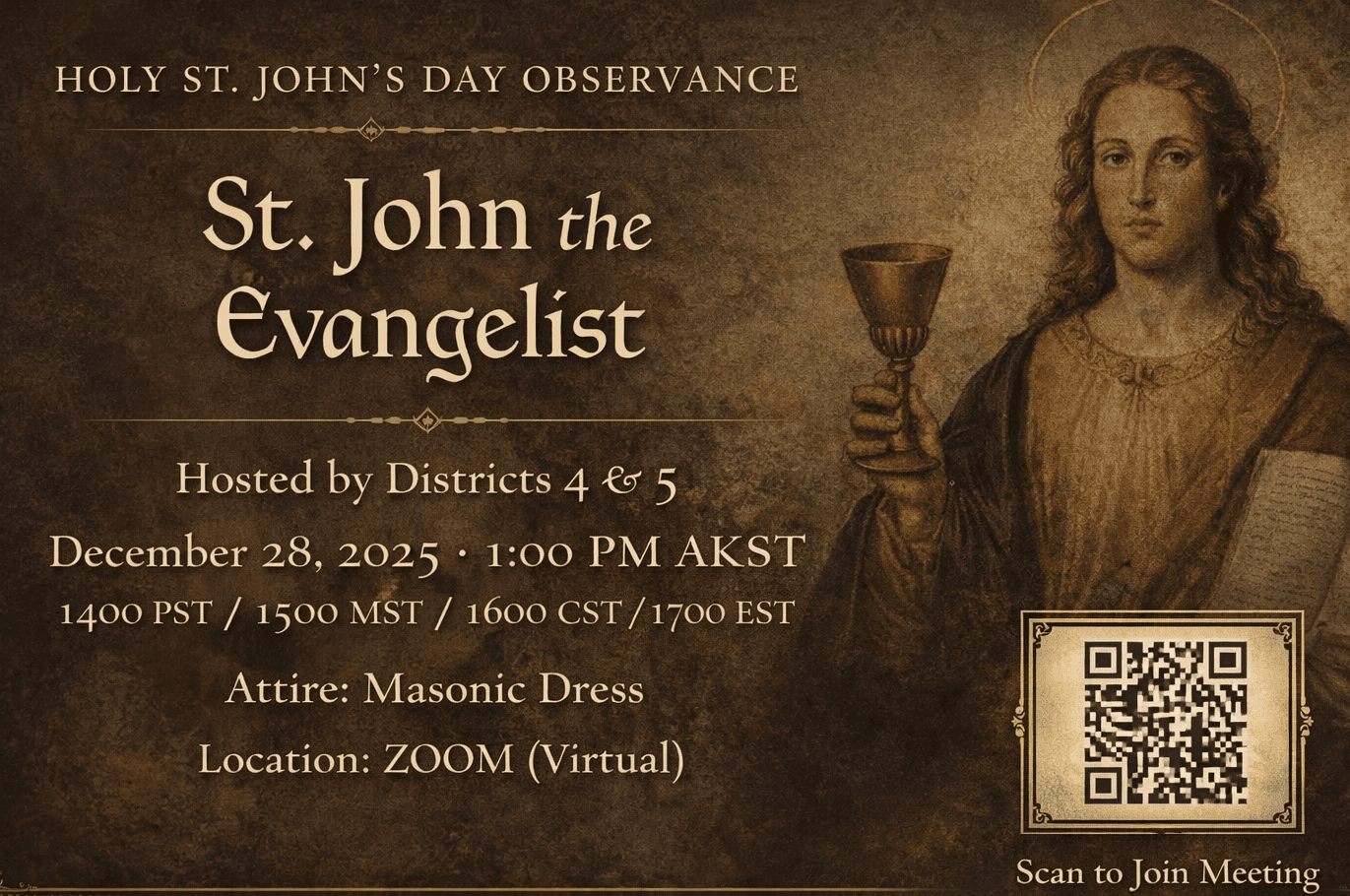
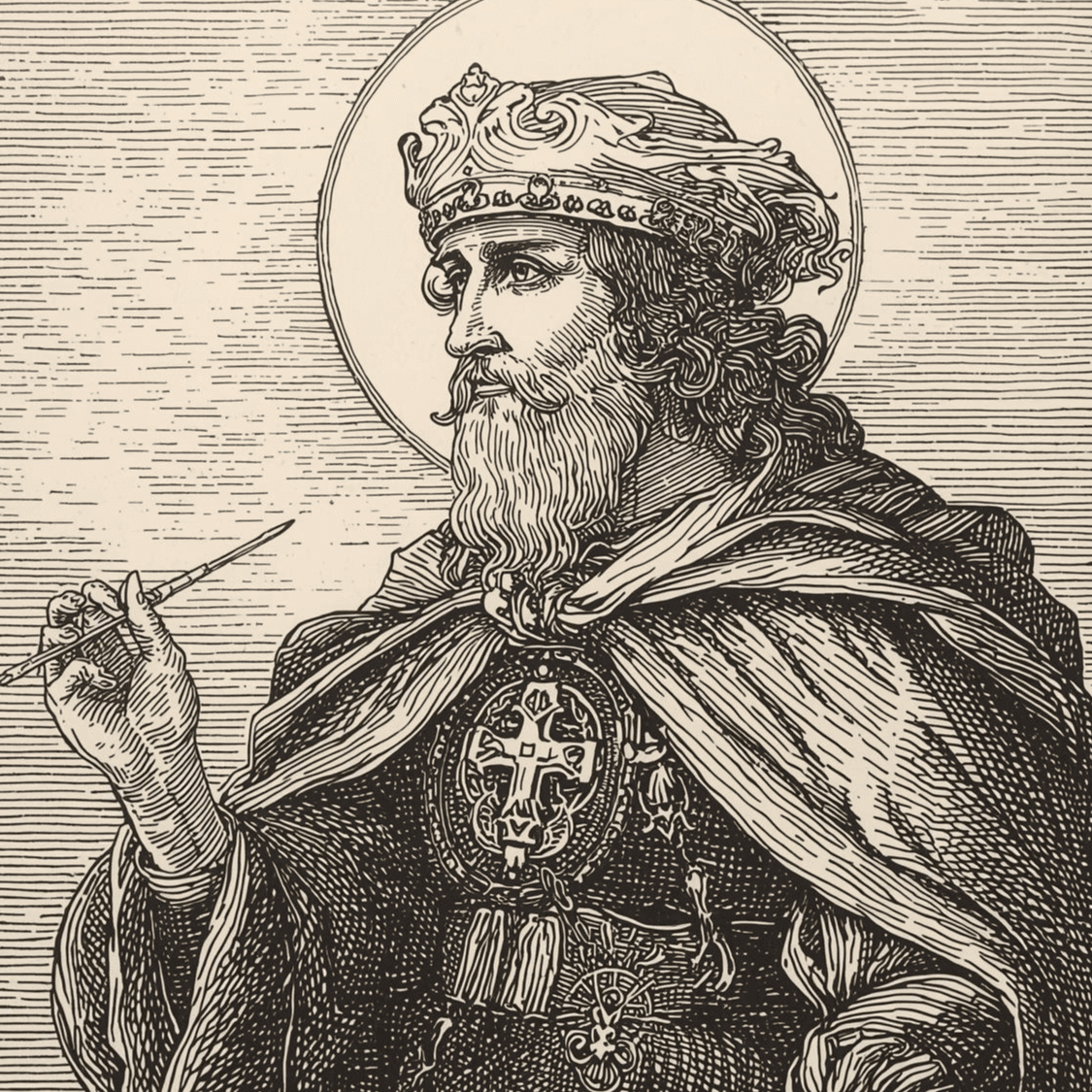
The key to understanding Saint John the Evangelist lies in the body of work attributed to him, commonly known as Johannine literature. These writings emphasize light, Logos, and the capacity to perceive truth through spiritual insight. The concept of Logos is defined as the Word of God, the principle of divine reason and creative order, identified in the Gospel of John with Christ Himself. John opens his Gospel with the words, “In the beginning was the Word, and the Word was with God, and the Word was God.”
This opening mirrors both cosmic creation and personal transformation. In the beginning, there was darkness, and the Word was the light that emerged from within it. Each year, the Winter Solstice reflects this same movement—calling individuals inward to seek illumination before outward expression. The light described by John is not external spectacle, but inner truth made visible through understanding, conscience, and action.
After making this inward journey, reflection naturally follows. Individuals are drawn to examine character, values, and behavior, measuring them against the light they have encountered. This process often leads to adjustment, refinement, or renewal. Once the light is found and recognized within, it becomes something that can be carried outward—shared through conduct, integrity, and service to others.
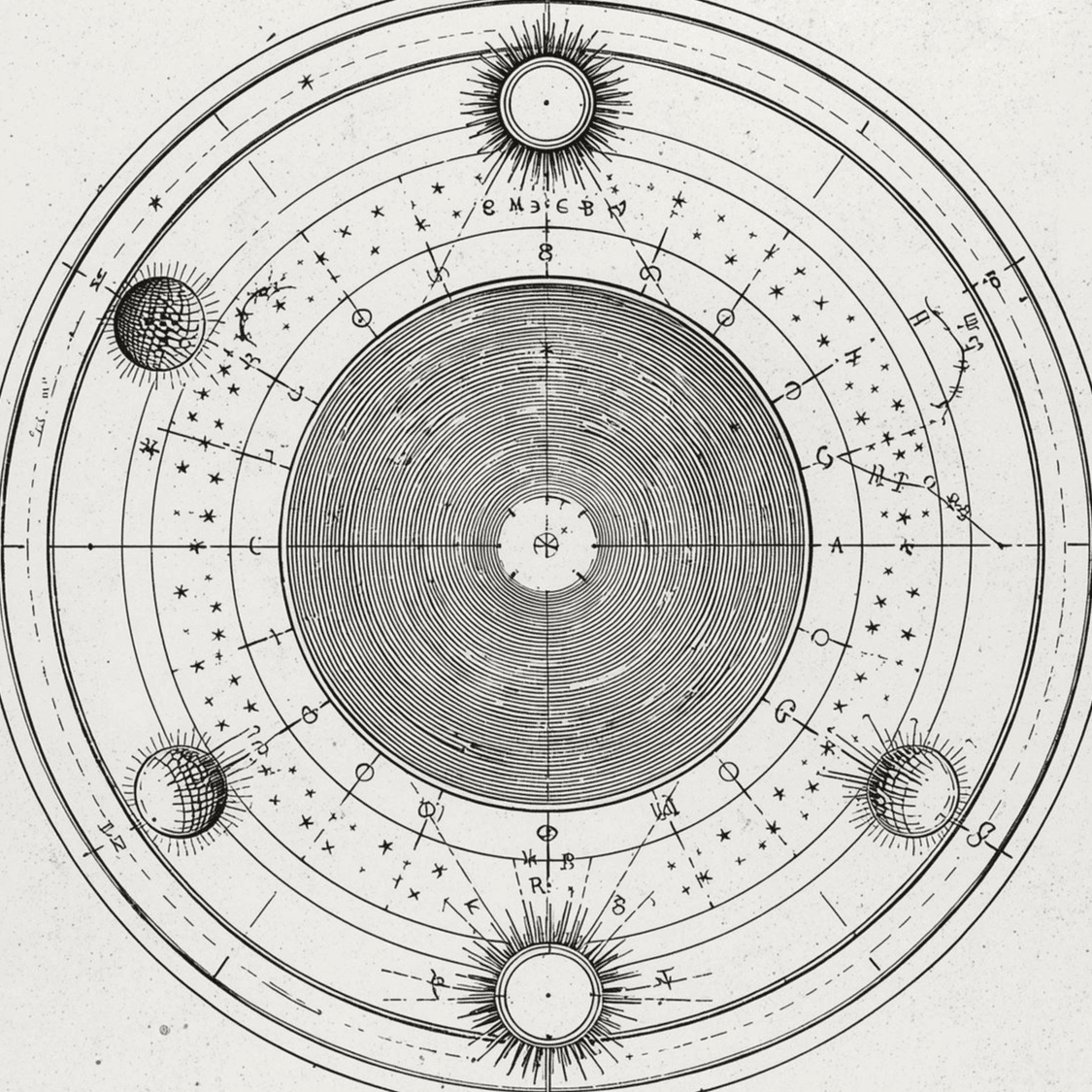
The point within the circle is not a symbol belonging exclusively to Freemasonry. Its origins appear in ancient cultures that predate the building of King Solomon’s Temple and extend across religious and philosophical traditions. Within Christian thought, the point within the circle represents the Light at the center of creation—the same divine light referenced by Saint John in the opening of his Gospel. Creation itself is ordered around this central truth, with light as its originating point.
In Islamic tradition, the point within the circle symbolizes divine unity and centeredness. The Qur’an describes God as the Light of the heavens and the earth, likening that light to a radiant lamp contained within crystal—“light upon light.” The imagery reflects a centered source from which all illumination flows, unbound by east or west. This description closely parallels the visual and symbolic meaning of the point within the circle.
In Hindu and Buddhist traditions, the symbol appears in the form of the mandala and the Bindu.
The mandala represents the universe in its ordered form, while the Bindu marks the point of origin—pure consciousness from which all creation emerges. Across these traditions, the meaning remains consistent: truth and awareness originate at a central point and radiate outward.
Within Freemasonry, the point represents the individual, while the circle signifies the boundary of moral conduct toward God and humanity. The circle is bordered by two perpendicular parallel lines, one of which represents Saint John the Evangelist, and above these rest the Holy Scriptures. Together, these symbols teach that personal truth is discovered inwardly, but must be lived outwardly within due bounds. As with the Winter Solstice, the lesson is cyclical: reflection leads to illumination, illumination leads to alignment, and alignment prepares us for the next journey forward.
The Winter Solstice has long served as a moment of pause, reflection, and transition. It marks the movement from darkness toward renewed light and truth. When viewed through the lens of liminality, ritual, and sacred symbolism, this annual event becomes more than an astronomical occurrence—it becomes a reminder to turn inward before moving forward.
Freemasonry reinforces this lesson by anchoring its teachings in both the heavens and the cultivation of individual consciousness. Through ritual and reflection, the individual is reminded that growth begins within. Saint John the Evangelist stands as a symbolic guide in this process, emphasizing that truth is first discovered inwardly before it can be outwardly lived.
The point within the circle further clarifies this relationship between the individual and the divine. Across cultures and traditions, the symbol affirms that harmony is achieved when one aligns inner truth with moral action. As the light returns after the longest night, we are reminded that reflection prepares us for renewal, and renewal calls us to live more consciously within the bounds of truth, responsibility, and divine order.